
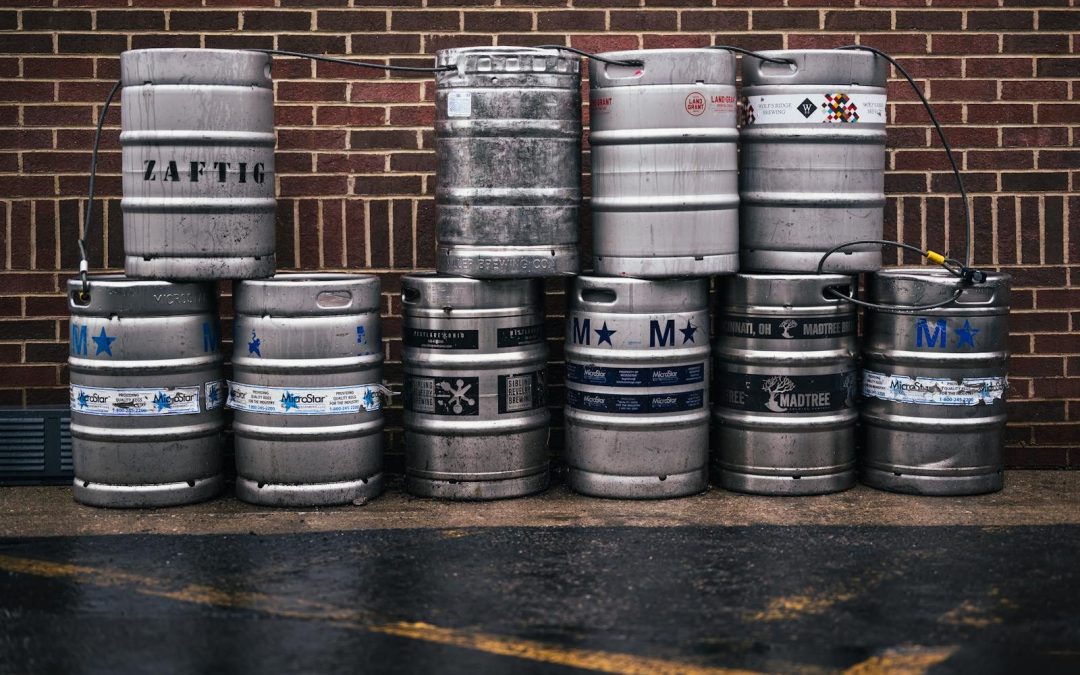
Buying a used keg is usually a straightforward transaction — but “usually” is doing a lot of work in that sentence. A keg that looks fine in a photo can have a seized valve, a hairline crack at a weld, or interior scaling that will contaminate every batch you run through it.
This guide covers what to inspect, what to ask the seller, and what to walk away from.
Before you go: rough price benchmarks
Knowing what a keg should cost helps you spot both bad deals and deals that are suspiciously good.
- Half barrel (15.5 gal) Sankey: $40–$90
- Quarter barrel (7.75 gal) Sankey: $30–$65
- Sixth barrel / sixtel (5.16 gal): $30–$60
- Cornelius / corny keg (5 gal): $30–$75
Prices vary by condition, manufacturer, and local demand. Kegs from known manufacturers (Firestone, American Keg Company, Cornelius) command a premium over generic or unbranded units. Lot sales from breweries or bars often price significantly lower per unit — but see the section on lot buying below.
If a deal looks too good, understand why before you commit.
The physical inspection
Exterior
Dents: Small cosmetic dents on the body are generally not a structural concern — kegs are built to take abuse. Deep dents near welds are a different story. A dent that has stressed a weld seam can cause a slow leak that’s impossible to seal. Run your fingers along all weld lines and look for distortion or cracking in the metal.
Corrosion: Surface rust on the outside is common on kegs stored in wet environments. Light surface rust is cosmetic. Heavy pitting corrosion is a warning sign — it suggests the keg may have been stored with moisture inside, which means interior corrosion is possible too.
Manufacturer markings: Look for the manufacturer name stamped into the collar or chime. A keg with no markings has an unknown manufacturing history — not necessarily a dealbreaker at a low price, but worth knowing.
The valve (Sankey kegs)
The valve is the most important thing to inspect on a commercial keg.
Movement test: The valve should move freely when you press the probe or manually engage the coupler. A stuck valve may indicate corrosion or debris — sometimes freeable, sometimes not.
Leak test: If the seller has CO2 available, ask them to pressurize the keg briefly and apply soapy water around the valve base. Bubbles indicate a leak. A keg that demonstrably holds pressure is worth meaningfully more than one that hasn’t been tested.
Valve replacement: Sankey valves can be replaced, but it requires a valve removal tool and some mechanical confidence. If the valve is suspect, factor the cost and effort of replacement into your offer.
Posts and poppets (Cornelius kegs)
Poppets: Press down on each post poppet with a finger. It should depress smoothly and spring back fully. A poppet that doesn’t spring back is stuck open — the keg won’t hold pressure until it’s replaced. Poppets are cheap and easy to swap, but it’s information worth having.
Post threads: Inspect the threads on both posts for cross-threading or damage. Damaged threads can make it impossible to seal with a disconnect.
O-rings: The o-rings around the posts and lid should be supple and intact. Cracked or brittle o-rings are a few dollars to replace, but they tell you something about how the keg was stored.
Lid seal: Press on the lid — if it flexes significantly, the lid o-ring has lost its seal. Easy and cheap to fix, but worth confirming.
Interior
If you can get a flashlight inside (easier on corny kegs with the lid removed, harder on Sankey kegs), look for:
- Scaling: White mineral deposits indicate the keg was stored with water or beer residue without proper cleaning. Usually removable with phosphoric or citric acid, but heavy scaling is a flag.
- Dark sediment or staining: Suggests the keg sat with contents for an extended period. Not always a dealbreaker, but expect a more thorough cleaning before first use.
- Interior pitting: Small pits in the stainless are a sanitation concern — difficult to clean properly and can harbor bacteria. More common on older corny kegs than commercial Sankey kegs.
What to ask the seller
“What was in the keg last?” Beer is fine. Soda syrup (common with corny kegs originally used by Coca-Cola bottlers) usually cleans out. Mystery contents or chemical storage is a red flag.
“How long has it been sitting?” A keg that’s been sitting dry for two years is generally fine. One that sat for two years with residue is more work.
“Does it hold pressure?” If they can’t answer or haven’t tested it, factor that uncertainty into what you’re willing to pay.
“What’s the manufacturer?” A seller who knows the brand is paying attention. One who genuinely doesn’t know is probably selling a commercial keg of unknown origin — not necessarily a problem, but good information.
“Are you the original owner?” Brewery-direct kegs — a brewery cleaning out storage — usually have better provenance than kegs that have changed hands multiple times.
Red flags: when to walk away
- Heavy denting near weld seams
- Seized or non-moving valve that the seller can’t explain
- Visible cracks at any weld — non-negotiable, walk away
- Strong off-odors from the interior
- No manufacturer markings at any price above scrap value
- Seller can’t answer basic questions about what was in it or how it was stored
Lot buying: when a brewery or bar is offloading
The best deals in used kegs often come from breweries downsizing, bars closing, or restaurant equipment auctions. A few additional considerations when buying in quantity:
Inspect a sample, not just one. If someone is selling 30 kegs, inspect five or six from different parts of the stack. Condition within a lot can vary more than you’d expect.
Ask about the cleaning history. A brewery that ran a regular CIP (clean-in-place) program will have kegs in meaningfully better shape than a bar that never thought about it.
Confirm the valve type across the lot. In a mixed lot, different valve types are common. Know exactly what you’re getting before you load everything into the truck.
Factor in cleaning time. Buying 20 kegs at a great price only to spend a day cleaning them all is still a good deal — just account for it going in.
The bottom line
Most used keg purchases are straightforward. The seller has kegs, you need kegs, the transaction takes ten minutes. But a five-minute inspection prevents most of the problems that can turn a good deal into an expensive mistake. Buy local when you can. See it before you buy it. Ask the questions.
And if a price seems too good to be true, find out why before you load it into your truck.
